What Are GLP-1 Medications and How They Are Changing Weight Loss and Chronic Disease Treatment
If you follow health news, you’ve likely heard someone mention “GLP-1s” — a class of drugs that has upended the way doctors talk about obesity. But the real story is bigger than weight loss. GLP-1 medications are now being studied for a remarkably broad range of conditions, from heart and kidney disease to liver inflammation and even neurodegenerative disorders. So, what exactly are these drugs, how do they work, and why are experts calling them one of the most important medical advances in a generation?
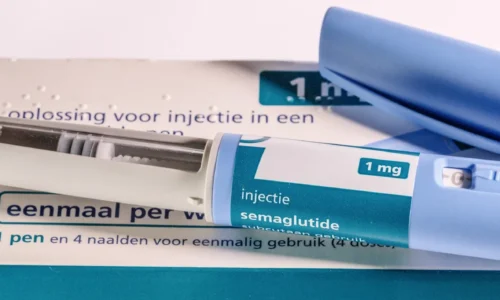
GLP-1 receptor agonists (GLP-1 RAs for short) are not new. They have been used to treat type 2 diabetes since 2005. But in the past few years, they have captured public attention for an entirely different reason: their ability to help people lose a significant amount of weight — not through willpower alone, but by directly influencing the biological signals that drive hunger and fullness. As a J.P. Morgan analysis recently noted, GLP-1 agonists “suppress appetite and reduce calorie intake — fueling their popularity for treating obesity and managing weight gain.”
Today, the conversation has moved far beyond diabetes and obesity. In March 2026, the Obesity Society, the Obesity Medicine Association, and the Obesity Action Coalition jointly affirmed that obesity medications are “safe, effective, and appropriate for long-term use” — not as temporary fixes, but as “foundational components of chronic disease management.” The drugs are being studied for heart failure, chronic kidney disease, metabolic liver disease, and even conditions once thought to lie entirely outside the reach of metabolic therapies. As one pharmacist-researcher put it at a major medical conference earlier this year: “This has gone from ‘oh, this is helpful’ to ‘this is a real game changer.'”
How GLP-1 Drugs Work — In Plain English
To understand what makes these medications so versatile, it helps to start with the hormone they’re named after. GLP-1 (glucagon-like peptide-1) is a natural hormone your body produces in the gut after you eat. It does three important things:
- It signals your pancreas to release insulin, which lowers blood sugar.
- It tells your brain that you’re full, reducing appetite.
- It slows down how quickly food leaves your stomach, helping you feel satisfied longer.
GLP-1 receptor agonists are lab-made versions of this hormone — but they’re engineered to last much longer in the body than natural GLP-1, which breaks down within minutes. Some of the newer drugs also target additional gut hormones, such as GIP (glucose-dependent insulinotropic polypeptide) and glucagon, to amplify the metabolic effects.
“The medications work by mimicking natural gut hormones,” explains Dr. Suki Singh, system medical director for nonsurgical weight management at Henry Ford Health. “By slowing the movement of food through the digestive tract and making you feel fuller, weight loss medications can lead to significant weight loss.”
The GLP-1 Drugs Available in 2026
The GLP-1 landscape has expanded dramatically, and it now includes both injectable and oral options. Here’s a breakdown of the major medications currently on the market or just arriving:
Injectable GLP-1s
- Semaglutide (Ozempic, Wegovy): Developed by Novo Nordisk, this GLP-1 receptor agonist is FDA-approved for Type 2 diabetes (marketed as Ozempic) and chronic weight management (marketed as Wegovy).
- Tirzepatide (Mounjaro, Zepbound): An Eli Lilly drug that targets both GLP-1 and GIP receptors. It is approved for Type 2 diabetes (Mounjaro) and obesity (Zepbound).
- Liraglutide (Victoza, Saxenda): Another Novo Nordisk option targeting GLP-1. Victoza is used for Type 2 diabetes, while Saxenda is specifically approved for weight loss.
- Dulaglutide (Trulicity): Developed by Eli Lilly, this GLP-1 medication is approved specifically for the treatment of Type 2 diabetes.
- Exenatide (Byetta, Bydureon): An AstraZeneca GLP-1 medication used to help manage blood sugar levels in adults with Type 2 diabetes.
Tirzepatide deserves special mention. As a dual GLP-1/GIP receptor agonist, it consistently produces greater weight loss than semaglutide alone. A comprehensive meta-analysis of 154 randomized controlled trials involving more than 112,000 participants found that tirzepatide leads all currently available agents in weight reduction and cardiometabolic improvements, with semaglutide following close behind.
The Oral Revolution: GLP-1 Pills Arrive
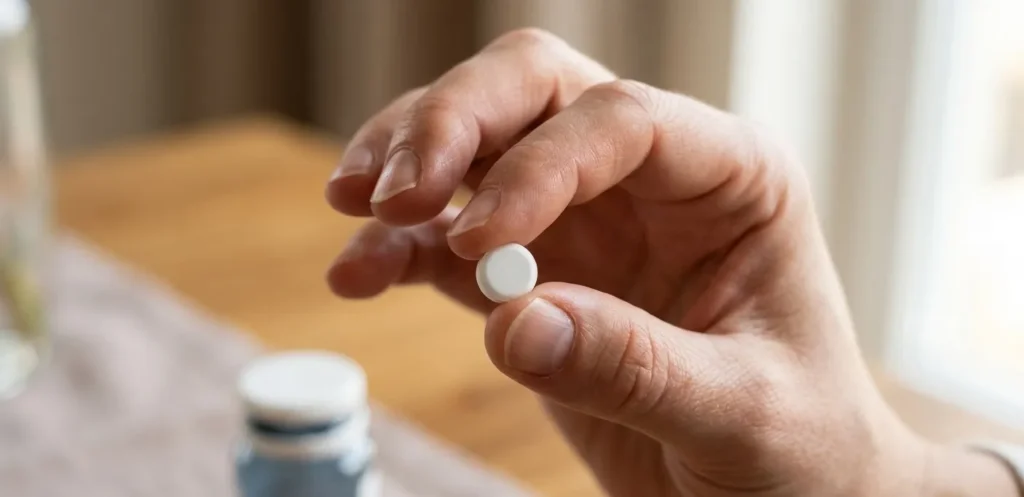
Until recently, all GLP-1 therapies required injections. That has changed rapidly in 2026.
Oral semaglutide (Wegovy pill; Novo Nordisk) was approved by the FDA in December 2025 and launched in the U.S. in January 2026 — the first oral GLP-1 specifically indicated for weight loss and cardiovascular risk reduction. In the OASIS 4 clinical trial, the once-daily 25 mg tablet produced a mean weight loss of 13.6% at 64 weeks, compared with 2.2% for placebo. The drug uses a specialized absorption technology called SNAC that protects the peptide from stomach acid. However, it comes with a strict rule: it must be taken first thing in the morning with no more than 4 ounces of plain water, and no food or drink for at least 30 minutes afterward.
Orforglipron (Foundavo; Eli Lilly) was approved by the FDA in April 2026 and is a different kind of pill. Unlike oral semaglutide, which is a peptide, orforglipron is a small-molecule drug. This distinction matters: it can be taken at any time of day, with or without food, and does not require refrigeration. In the ATTAIN phase 3 trials, participants taking the highest dose lost a mean of 12.4% of their body weight (27.3 pounds) over 72 weeks.
The arrival of oral options is expected to accelerate adoption significantly. “The launch of oral GLP-1s coupled with lower prices and broader access should drive higher utilization and market penetration as more affordable and convenient options become available,” J.P. Morgan analysts wrote in early 2026.
Beyond Weight Loss: The Expanding Health Benefits
Weight loss gets the headlines, but researchers are increasingly focused on what GLP-1 drugs do for overall health. A 2026 review published in the journal Reviews in Cardiovascular Medicine examined the expanding role of GLP-1 RAs across multiple organ systems. Separately, a narrative review in Medical Research Journal synthesized data from large cardiovascular outcome trials, finding “a 12–26% relative decrease in major adverse cardiovascular events in high-risk populations,” along with evidence of renal and hepatic benefits.
Here are some of the most important findings:
Cardiovascular protection: Injectable semaglutide 2.4 mg weekly demonstrated a 20% reduction in major adverse cardiovascular events (heart attack, stroke, cardiovascular death) in the SELECT trial. Based on these data, the FDA also granted a cardiovascular risk-reduction indication to oral semaglutide. Multiple GLP-1 RAs have now shown to “reduce risks for major adverse cardiovascular events … and the risk of admission to or treatment within hospital for heart failure.”
Kidney protection: A growing body of evidence shows that GLP-1 RAs reduce albuminuria (a marker of kidney damage) and may slow the decline of kidney function over time.
Liver health: GLP-1 RAs reduce liver fat and liver enzymes, with trials underway in metabolic dysfunction-associated steatohepatitis (MASH) and liver fibrosis. Survodutide is being studied in two global phase 3 trials (LIVERAGE and LIVERAGE-Cirrhosis) for this specific purpose.
A post-hoc analysis of the SURPASS-CVOT trial suggests that dual GIP/GLP-1 agonists like tirzepatide may offer even broader cardiorenal protection than GLP-1 agonists alone.
Perhaps most striking, researchers are now exploring whether these drugs may have neuroprotective and anti-inflammatory effects that extend beyond metabolic disease — though this research is still in early stages.
Safety, Side Effects, and What Patients Worry About
No medication is without risks, and GLP-1 RAs have a well-characterized safety profile built over nearly two decades of clinical use.
Common Side Effects
The most common adverse effects are gastrointestinal: nausea, vomiting, diarrhea, and constipation. In the OASIS 4 trial of oral semaglutide, 74.0% of patients on the drug experienced some GI side effects, compared with 42.2% on placebo. These effects are generally mild to moderate and tend to improve over time, especially if the dose is increased slowly. As Dr. Singh advises: “We can manage those side effects by increasing the dose gradually, along with lifestyle modifications and dietary changes… Eating smaller, more frequent meals can help with upset stomach. Increasing fiber can ease constipation and limiting fat intake can decrease diarrhea.”
Rare but Serious Risks
Regulatory agencies have identified several rare but important risks:
Pancreatitis: Acute pancreatitis is a recognized but uncommon adverse effect. In February 2026, the UK’s Medicines and Healthcare products Regulatory Agency (MHRA) strengthened warnings after post-marketing reports identified rare cases of necrotizing and fatal pancreatitis. In the UK, 1,296 reports of pancreatitis were received between 2007 and October 2025, of which 19 were fatal. Patients are advised to seek urgent medical attention if they develop severe and persistent abdominal pain that may radiate to the back.
Thyroid cancer: Long-term clinical trials have dispelled earlier concerns about pancreatic cancer, but the data do suggest a potential increased risk for thyroid cancer — specifically medullary thyroid carcinoma. The drugs carry a boxed warning for this risk and should not be used in patients with a personal or family history of this rare cancer.
Gallbladder disease: GLP-1 RAs are associated with an increased rate of gallbladder-related events, including gallstones and cholecystitis.
Risks That Have Been Ruled Out
Importantly, several feared risks have been investigated and dismissed:
Suicidal ideation: In January 2026, the FDA completed a comprehensive meta-analysis of 91 placebo-controlled trials involving 107,910 patients and found no evidence of increased suicidal behavior or ideation with GLP-1 medications. The FDA requested that manufacturers remove suicidal behavior and ideation warnings from product labels.
Pancreatic cancer: Early theoretical concerns have been refuted by long-term clinical data. A 2026 review in the Journal of Clinical Investigation confirmed that “concerns that GLP-1RAs raise the risk for acute pancreatitis and pancreatic cancer have been dispelled by long-term clinical trials.”
Off-Label Use and Misuse
One growing concern among medical experts is the use of GLP-1 drugs for cosmetic weight loss in people who do not meet clinical criteria for obesity or type 2 diabetes. This off-label use, often fueled by social media influencers, has been linked to serious adverse effects, including disordered eating behavior, psychological dependence, and emergency hospitalizations.
Cost, Insurance, and Who Can Actually Afford These Drugs
The cost of GLP-1 medications has been a major barrier to access. List prices for injectable drugs like Wegovy and Zepbound exceed $1,000 per month before insurance.
However, the landscape is shifting rapidly in 2026. Two major developments are expanding access:
First, the introduction of oral GLP-1 pills has created a lower-cost cash-pay tier. Novo Nordisk’s oral Wegovy starts at $149 per month for self-pay patients, and Eli Lilly’s Foundavo (orforglipron) starts at the same price point for its lowest dose.
Second, federal coverage is expanding. A Medicare Part D and Medicaid pilot program — the BALANCE Model — is expected to launch in May 2026, capping beneficiary copayments for covered GLP-1 drugs. You can read more about this program Here.
Additionally, Medicare-negotiated prices for injectable GLP-1s are set at $245 per month, with broader access anticipated through 2027.
As a result, self-pay patients using direct-to-consumer platforms are now paying approximately $350 per month for injectable GLP-1 medications, down from roughly $500 per month, and generally ranging from $150 to $450 per month depending on the drug, dose, and format.
Despite these advances, coverage remains inconsistent. Private insurance plans vary widely — some cover weight-loss indications, many do not. A recent report found that 56% of insurers now refuse to cover weight-loss drugs such as Zepbound, leaving many patients either paying out of pocket or going without.
Who Are GLP-1 Medications For?
Current clinical guidelines support GLP-1 therapy for people who meet specific criteria:
- Adults with a body mass index (BMI) of 30 or higher (obesity), or
- Adults with a BMI of 27 or higher (overweight) who also have at least one weight-related medical condition, such as high blood pressure, type 2 diabetes, or sleep apnea
The medications are intended for use alongside a reduced-calorie diet and increased physical activity — not as a substitute for lifestyle changes, but as a tool that makes those changes biologically easier to sustain.
The Bottom Line
GLP-1 receptor agonists represent a genuine paradigm shift. They are the first medications in history to deliver weight loss approaching that of surgery, while simultaneously reducing the risk of heart attack, stroke, and kidney disease progression — benefits that appear to extend well beyond the number on the scale.
As one 2026 review concluded, “GLP-1-based therapies demonstrate broad extra-metabolic benefits across multiple organ systems,” though further long-term studies are needed to fully map their effects.
They are not a magic solution. Side effects are common, though usually manageable. Long-term safety data continue to accumulate. Cost remains a real barrier for many patients, though prices are falling and coverage is expanding. And experts caution that these medications are not intended for cosmetic use in people without a medical indication.
But for the millions of Americans living with obesity and related chronic conditions, the GLP-1 era marks a moment when the biology of weight regulation finally has an effective counterweight. As the Obesity Society, the Obesity Medicine Association, and the Obesity Action Coalition affirmed together in March 2026: these are not optional add-ons to lifestyle recommendations. For many patients, they are a foundational part of care.
Looking for more health and wellness insights? Read our guide on AI Healthcare Companions: Can an App Really Improve Your Wellbeing in 2026? or explore our Business & Finance section for practical tips on lowering your car insurance costs.