What Exactly Is a “Slowcation” and Why Is It the Hottest Travel Trend of 2026?
Remember when a vacation meant rushing through a checklist of tourist sights, cramming multiple cities into a single week, and returning home more exhausted than when you left? In 2026, that frantic style of travel is officially out. Its replacement? The “slowcation”—a movement that prioritizes rest, deep cultural immersion, and the radical idea that the best vacation might be the one where you do the least.
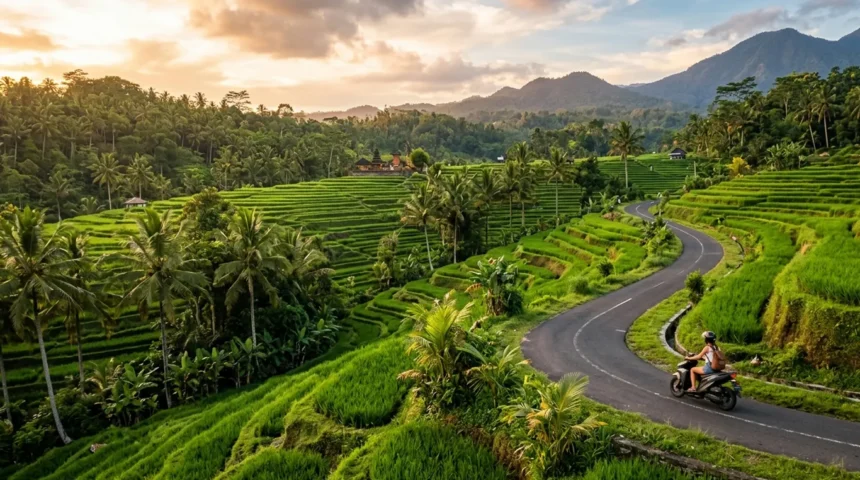
The term, a portmanteau of “slow” and “vacation,” has been officially recognized by the Cambridge Dictionary blog, which defines it as “a type of holiday where the aim is to get to know the people and culture of a place slowly, rather than simply visiting the most popular tourist attractions.” But the slowcation is far more than a dictionary entry. It represents a fundamental shift in why we travel, fueled by burnout, digital fatigue, and a collective craving for genuine connection.
What Is a Slowcation, Exactly?
A slowcation, often used interchangeably with “slow travel,” isn’t just about moving at a relaxed pace—it’s about adopting an entirely different mindset. As Simon Lynch, Global Product Director at Scott Dunn Travel, explains, “Slow travel is more about a mindset as opposed to a pace of movement, it’s exploring somewhere on a deeper level, making space mentally and physically for things to happen spontaneously.”
In practice, this means choosing one location and staying long enough to learn the local rhythm, as well as the names of the café owner, butcher, and neighbors. Instead of racing through a checklist of attractions, a slowcation invites you to linger, to delve into the heart of a destination. It’s about finding the soul of a place, living like a local, and allowing the rhythm of everyday life to dictate your days.
The trend is particularly associated with Millennials and Generation Z, who are seeking what reports describe as “emotionally nourishing” and affordable ways to travel. For these generations, travel is less about bragging rights and more about recovery.
Why 2026 Is the Tipping Point
Several powerful cultural forces have converged to make 2026 the year of the slowcation.
1. A Response to Burnout and Digital Overload
The modern condition is one of constant stimulation. As one travel report puts it, “When the signal fades, the mind steadies.” According to Vrbo’s 2026 data, roughly 91% of travelers are now expressing interest in “slow travel” or vacations specifically built around rest, relaxation, reading, and nature, rather than high-activity itineraries.
This isn’t just a preference; it’s a recovery strategy. A 2025 JAMA study found that even a one-week break from social media can reduce anxiety symptoms by 16.1% and depression by 24.8%. Travelers are increasingly realizing that a vacation spent scrolling through the same feeds they see at home is no vacation at all.
2. The “Calmcation” and the Rise of Quiet Luxury
Closely linked to the slowcation is the “calmcation”—a term for slow, intentional, and restful trips designed to reduce stress and prevent burnout. The BBC has identified this movement as the top travel trend of 2026, dubbing it the year of “quietcations.”
“Quietcations” center on comfort, silence, and escaping the compounding stresses of modern life. Hilton calls it “Hushpitality”—seeking sweet silence. Unplugged, a company offering tech-free cabins across the UK, reports that over half of their guests now cite burnout and screen fatigue as their main motivation for booking.
The movement is showing up everywhere. Visit Skåne in Sweden has created a “Map of Quietude“—a network of places ranked by decibel. Dark sky tourism, where travelers seek out sanctuaries of total darkness to reset their circadian rhythms, is booming. Some eco-lodges have dedicated “ping minimalist” zones where notifications are strictly forbidden, allowing for the “nervous system regulation” that has become a wellness buzzword of the season.
3. The Anti-Phone Era in Travel
A significant driver of the slowcation is the growing backlash against smartphone dependency. “We are tired of being slaves to our phones, and it’s changing the way we do everything, especially travel,” notes one 2026 travel report. This generation is tired of phones—it is altering our mental health, our dialogue, and the way we interact with each other—and something needs to change. You can learn more about how to reclaim your time in our recent article on Digital Detox 2026: Simple Strategies to Reduce Screen Time.
This has given rise to “deadzoning,” a travel trend where people selectively disconnect: staying reachable for family and close friends but cutting off work emails, social media, and the constant low-grade noise of digital life. Unlike a full digital detox, deadzoning is a more practical approach—one that doesn’t require a complete rejection of technology, but rather a deliberate choice to be present.
The proof is in the data: daily social media time in developed markets has fallen nearly 10% since its 2022 peak. In 2026, digital detoxing has evolved from a wellness trend into a full-blown cultural shift.
4. A Gen Z-Fueled Cultural Reset
Gen Z is leading the charge. The Pinterest Predicts 2026 report shows younger users trading viral chaos for slower, highly curated lives. The annual forecast found that younger users are seeking viral trends less and instead are leaning into softer and slower experiences.
This is manifesting in nostalgic, offline behaviors: a fourth of Gen Z and millennial users report rediscovering handwriting letters, and Gen Z in Singapore is four times more likely to engage with pen pals compared to the global average. For a generation that grew up online, the act of intentionally slowing down—whether through travel, letter-writing, or film photography—has become a form of quiet rebellion.
The Health Benefits of Slowing Down
The advantages of a slowcation extend far beyond a pleasant tan. Research is increasingly clear about what happens when we genuinely unplug and slow down.
A 2025 JAMA study found that a one-week social media break cut anxiety symptoms by 16.1%, depression by 24.8%, and insomnia by 14.5% among young adults. Excessive screen exposure disrupts melatonin production through blue light, delays bedtime, and shortens total sleep duration.
When travelers trade doomscrolling for dawn safaris and notification pings for birdsong, the brain begins to recover. In places with limited connectivity—such as Nagarhole National Park in India or remote forest cabins across Europe—the initial frustration of a weak signal often transforms into liberation within hours.
Companies are also recognizing the workplace benefits. Research into “slowcations” as a remedy for employee burnout found that employees report feeling more refreshed and motivated after low-pressure vacations, with noticeable improvements in mood and stress levels. Data indicates a link between increased annual leave and better year-end performance.
How to Plan Your Own Slowcation
Ready to embrace the trend? Here’s a practical guide to planning a trip that prioritizes rest and connection.
1. Choose One Place and Stay Awhile
The first rule of a slowcation is to stop trying to see everything. Pick a single destination—a heritage cottage, a vineyard stay, a quiet coastal village—and stay long enough to truly decompress. Instead of a three-night weekend, consider a fourteen-day residency.
Travel experts are increasingly recommending “secondary cities” and under-the-radar destinations that offer authentic local culture without the crowds. Not only are these locations more affordable, but they also offer a more genuine experience of a place.
2. Take the Scenic Route
One of the most tangible expressions of slow travel is the return to rail journeys. Train bookings are up significantly year-over-year for 2026, as travelers opt for scenic, unhurried routes over flights. There’s something about watching landscapes unfold outside a train window that forces a natural deceleration.
3. Build in Unstructured Time
This is perhaps the hardest part for the productivity-obsessed. A slowcation means leaving room for spontaneity. It might mean a morning with no plans, an afternoon wandering a local market, or an evening spent watching the sunset without reaching for your phone. “Zero-decision travel”—eliminating itinerary fatigue by letting the day unfold naturally—is a core element of the trend.
4. Pack an Analog Bag
Take a cue from the “analog bag” trend: fill a tote with books, a journal, cards, a Polaroid camera, and other offline entertainment. When the urge to scroll strikes, reach for the bag instead.
5. Consider a Digital Detox Component
For a more immersive reset, consider booking a dedicated digital detox stay. Companies like Unplugged (with over 50 cabins across the UK and Spain) provide lockboxes for smartphones and offer a three-day program that, according to the company, is enough time for the brain to rewire. Guests spend their days reading, playing board games, cooking, and rediscovering what it feels like to be genuinely bored—in the best possible way.
Where to Go: The Best Destinations for Slowcations in 2026
While the slowcation is more about mindset than location, certain places lend themselves naturally to the trend.
For the Quiet Seeker: Travel experts at Solmar Villas analyzed over 160 global destinations and crowned Alonissos, Greece, as the world’s most relaxing destination for 2026. The island is known for its lack of crowds, exceptionally clear waters, and Europe’s largest marine protected area. As one travel blogger described it: “No cruise ship crowds, no overpriced cocktails.”
For the Culture Lover: Skopelos, Greece ranked second on the Just One For The Road list of the world’s top 13 destinations for slow travel in 2026. The island “moves at the right pace,” combining authenticity, tranquility, and genuine Greek hospitality without the frenzy of mass tourism.
For the Nature Enthusiast: Šibenik, Croatia, is emerging as a compelling alternative to crowded Dubrovnik and Split, charming visitors with its medieval architecture and scenic Adriatic coastlines. Slovenia is seeing a 286% year-on-year increase in bookings as travelers seek out its riverside old town and vibrant café culture.
For the Digital Detoxer: Asia is rapidly embracing slow travel, with Japan introducing extended-stay visa options and promoting rail circuits that allow travelers to explore the countryside at a relaxed pace, while Thailand is focusing on wellness retreats in tranquil settings like the islands of Koh Samui and Koh Phi Phi.
For the Stargazer: Flagstaff, Arizona celebrates 25 years as the world’s first International Dark Sky City in 2026. With the world’s largest ponderosa pine forest and 130 miles of urban trails, it’s tailor-made for those wanting to slow down and look up.
The Bottom Line: Slow Down to Speed Up
The slowcation isn’t about being lazy. It’s about being intentional. In a world that has spent two decades optimizing for speed, efficiency, and constant connectivity, choosing to slow down is a radical act of self-care.
This trend is not a fleeting hashtag. It’s a cultural correction—a recognition that the way we’ve been living and traveling is unsustainable. And as we move deeper into 2026, the question isn’t “Why slow down?” but rather: “What took us so long?”
The most luxurious thing you can pack for your next trip isn’t a designer suitcase. It’s permission—permission to do less, to linger longer, and to let a place change you rather than simply checking it off a list.
Looking for more ways to reset your relationship with technology? Read our guide on Digital Detox 2026: Simple Strategies to Reduce Screen Time or explore our parenting guide for the AI era to see how families are navigating screen time together.