AI Healthcare Companions: Can an App Really Improve Your Wellbeing in 2026?
Imagine having a personal health assistant in your pocket that knows your sleep patterns, understands your stress triggers, and can nudge you toward healthier choices — all without waiting for a doctor’s appointment. In 2026, this isn’t science fiction. AI healthcare companions have arrived, promising to make wellness support more accessible, personalized, and proactive than ever before. But can an app truly improve your wellbeing, or is it just another tech fad?
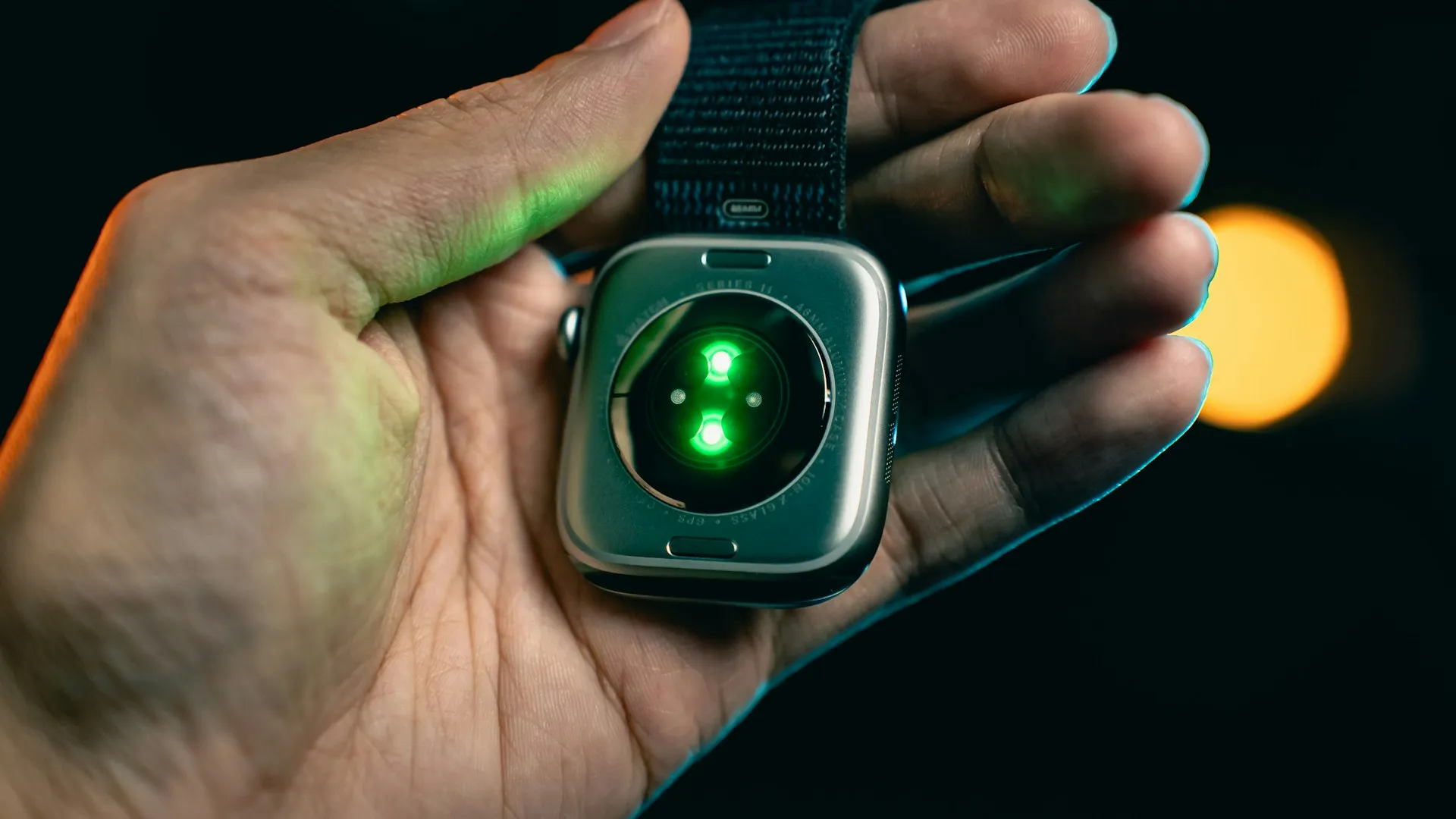
The numbers paint a compelling picture. More than 350,000 health apps are currently available in app stores, and venture capital continues to pour billions into digital health startups. Yet amidst the hype, a fundamental question remains: Do these virtual companions deliver real, measurable health benefits, or are they merely well‑designed distractions? Let’s explore what AI healthcare companions actually do, where they excel, and where the evidence stands in 2026.
What Exactly Is an AI Healthcare Companion?
An AI healthcare companion is a digital tool — typically a smartphone app, smart speaker, or wearable integration — that uses artificial intelligence to support your physical and mental wellbeing. Unlike a simple symptom checker of the past, these companions are designed to build a long‑term relationship with you.
They learn from your data: sleep quality, activity levels, mood patterns, heart rate variability, even the tone of your voice. Then, they offer personalized suggestions, reminders, and encouragement. Some focus narrowly on a specific condition like diabetes or anxiety, while others position themselves as all‑in‑one wellness coaches.
Think of them as a cross between a health journal, a nurse advice line, and a supportive friend — all synthesized by algorithms.
Where AI Companions Are Making a Difference
Several areas are emerging as clear success stories for these digital allies.
1. Mental Health Support at Scale
The mental health crisis continues to outpace the availability of human therapists. AI companions have stepped into the gap with evidence‑backed approaches.
Platforms like Woebot and Wysa deliver cognitive behavioral therapy (CBT) through conversational agents. A randomized controlled trial published in 2024 found that participants using Wysa experienced a 31% reduction in depression symptoms after eight weeks — on par with some face‑to‑face interventions. In 2026, these apps offer not just scripted responses but truly adaptive conversations that recognize when a user is in crisis and escalate to a human professional.
Key benefits for users:
- 24/7 availability without appointment delays.
- Anonymity that reduces the stigma of seeking help.
- Consistent mood tracking that reveals triggers over weeks and months.
2. Chronic Condition Management
For the 133 million Americans living with at least one chronic disease, daily self‑management is exhausting. AI companions simplify this burden.
Take diabetes care. Apps like BlueStar and Livongo (now part of Teladoc Health) connect to glucose monitors and analyze readings in real time. An AI agent might notice that your blood sugar consistently spikes after a particular meal and suggest a substitute — not with a generic tip, but with a specific, actionable idea based on your personal history.
Similarly, for hypertension, AI companions remind users to take medication, log blood pressure, and even detect patterns that might require a doctor’s medication adjustment. Data from Livongo’s published outcomes shows that consistent users achieve significant and sustained reductions in blood pressure and HbA1c levels.
3. Sleep Optimization and Stress Reduction
Sleep is foundational to health, yet millions struggle with it. AI companions are proving surprisingly effective in this domain.
At CES 2026, a wearable headband called Elemind demonstrated the ability to help users fall asleep 74% faster using acoustic neurostimulation guided by AI. While that is a hardware‑driven example, software‑only apps like Sleep Cycle and Oura’s integrated advisor now analyze your sleep stages, body temperature, and activity, then offer practical adjustments: “You fell asleep faster on days when you exercised before 4 p.m.” or “Your deep sleep decreased after late‑night snacks — here are lighter alternatives.”
For stress, apps like Headspace and Calm have added AI‑powered features that personalize meditation recommendations based on real‑time biometric data from a paired smartwatch.
4. Personalized Wellness and Preventive Health
Perhaps the most exciting frontier is preventive health. AI companions now take data from wearables, lab results, and self‑reported habits to create a dynamic picture of your overall wellbeing.
Some advanced companions can:
- Spot early warning signs of burnout by analyzing changes in your resting heart rate, sleep consistency, and screen usage patterns.
- Suggest micronutrient adjustments based on dietary logs and health complaints.
- Flag when you should schedule a check‑up because a combination of risk factors warrants a doctor’s attention.
One example is Withings Body Scan 2, a smart scale that measures not just weight but also segmental body composition, arterial stiffness, and nerve health, then feeds this into an AI companion that tracks cardiovascular risk over time. This moves the user from “I’ll go to the doctor when I feel sick” to “My companion noticed a trend — I’ll book a preventive appointment.”
The Evidence: Do They Actually Work?
Skepticism is healthy, and rightfully so. Not every AI companion is backed by solid science. However, the gap between marketing and evidence is narrowing.
A 2025 meta‑analysis published in JAMA Network Open reviewed 37 randomized controlled trials of AI‑based health companions and found:
- A statistically significant improvement in mental health outcomes, particularly for depression and anxiety.
- Modest but meaningful improvements in physical activity and medication adherence.
- The strongest results came from companions that combined AI with occasional human support, rather than AI alone.
In 2026, the best companions are transparent about their limitations. They don’t claim to replace doctors; they position themselves as a supplement that extends care between visits.
Limitations and Risks You Should Know
Before downloading every AI health app, it’s important to understand the risks.
- Data privacy: These companions collect intensely personal information. Health data is a prime target for breaches, and not all apps are HIPAA‑compliant. Always check the privacy policy to see if your data is sold or shared with third parties.
- Accuracy and safety: An AI companion might misinterpret symptoms, reassure you when you need urgent care, or cause unnecessary anxiety with false alarms. The U.S. FDA has cleared only a handful of these apps as medical devices; most are unregulated wellness tools.
- Equity: Not everyone has a smartphone or wearable, and the quality of an AI companion often depends on how much data you can feed it. There’s a real risk that these tools widen health disparities rather than narrow them.
- Over‑reliance: An app can encourage healthy habits, but it can’t replace human connection, professional diagnosis, or emergency care.
How to Choose an AI Healthcare Companion in 2026
If you’re considering using one, here’s a practical guide:
- Define your goal: Do you want better sleep? Help managing anxiety? Support sticking to a medication schedule? Start with one clear need.
- Look for evidence: Search for clinical studies, not just user reviews. A credible companion will cite peer‑reviewed research.
- Check privacy credentials: Look for HIPAA compliance (in the U.S.) and clear language about data sharing. Avoid apps that require excessive permissions unrelated to their function.
- Ensure human escalation: The best companions know when to step aside and connect you with a real professional.
- Test it for two weeks: Give a companion a fair trial, paying attention to whether you feel better supported, not just whether the app is fun.
The Future: From Companion to Coordinated Care Hub
Looking ahead, the path for AI healthcare companions points toward integration. Industry analysts predict that by 2027, major electronic health record systems like Epic and Cerner will begin accepting data from approved companions directly into a patient’s official medical record. This means your AI companion won’t sit in a silo — it will become part of a coordinated care team that includes your primary doctor, specialist, and pharmacist.
Imagine a future where your companion reminds you to schedule a mammogram, pre‑fills the appointment request, and sends a summary of your recent health stats to the radiology center — all with a simple voice confirmation. That’s the direction we’re heading, and the building blocks are being laid right now.
So, Can an App Really Improve Your Wellbeing?
The answer in 2026 is a qualified yes. An AI healthcare companion is not a magic cure, and it will not replace the need for human doctors, therapists, or the hard work of lifestyle change. But the evidence shows that for many people, these companions can provide meaningful support — the kind that nudges you toward healthier habits, catches early warning signs, and offers a comforting presence when you need it most.
If you choose wisely and use them as part of a broader wellness strategy, an app can genuinely become a valuable member of your personal health team.
Interested in other ways technology is improving our lives? Check out our article on Digital Detox 2026: Simple Strategies to Reduce Screen Time or explore more health and lifestyle insights in our Health & Wellness section.